All Categories
Featured
Building Long-Term Domain Authority in Smart Links

Essential Blogging Tips to Drive Targeted Traffic
Why Strategic Linking Avoids Ranking Volatility
Table of Contents
- – Search Engine Logic and the Increase of Implie...
- – The Mechanics of Brand Name Mentions in 2026
- – Decoupling Link Juice from the Anchor Tag
- – Quantifying the Value of Unlinked Citations
- – Future-Proofing Link Structure for the Entity...
- – Semantic Proximity and the New Link Equity
- – The Role of Content Circulation in 2026
Search Engine Logic and the Increase of Implied Authority
Search engine algorithms in 2026 have actually moved beyond the binary view of backlinks. The old design dictated that a link was a vote and the lack of a link was a missed out on chance. This point of view has faded as artificial intelligence models now translate the context of unlinked brand discusses with nearly the very same weight as traditional hyperlinked equity. The present search environment treats every citation as a data point in a larger map of entity relationships. When a high-authority publication mentions a specific service or brand, the online search engine associates that entity with the surrounding topic, effectively passing authority without the need for a clickable bridge.This shift suggests that link equity is no longer a closed system. Equity now flows through topical distance and semantic importance. If a news outlet talks about developments in professional digital strategy and mentions a specific brand in the same paragraph, the association is locked into the knowledge graph. This advancement requires a change in how online marketers view public relations and content distribution. The objective is no longer simply acquiring a link but guaranteeing the brand name is positioned correctly within the ideal topical clusters.
The Mechanics of Brand Name Mentions in 2026
Evidence from search data recommends that the strength of a brand mention depends heavily on the sentiment and detailed words surrounding it. In 2026, online search engine utilize natural language processing to determine if a mention is a recommendation, a neutral recommendation, or a review. Neutral or favorable discusses contribute to the "implied link" profile of a website, which assists sustain rankings even when brand-new backlinks are scarce. This is particularly visible in regional search engine result where a mention of a service on a community online forum can enhance presence as much as a local directory link.Data from the very first half of 2026 programs that brand names with a high ratio of mentions to links frequently perform better than those with an artificial-looking link profile. This suggests that search engines use discusses as a verification layer. If a site has thousands of links however nobody is speaking about the brand in unlinked text throughout the web, the links may be flagged as inorganic. Counting on Ranking Signals supplies a layer of authenticity that automated systems discover hard to spoof. The connection between these unlinked citations and natural growth has actually tightened, making brand awareness a technical SEO requirement rather than an unclear marketing goal.
Decoupling Link Juice from the Anchor Tag
Historically, the anchor tag was the primary carrier of significance signals. In 2026, the text surrounding a brand reference-- frequently called "co-occurrence" text-- serves this purpose. If a brand name is frequently mentioned together with terms like reliability, speed, or specific service types, the search engine designates those credit to the brand entity. This procedure builds topical authority without needing a single tag to be coded into the page.
Marketing strategies that prioritize Next-Gen Network Construction Methods see a causal sequence throughout their whole digital presence. Since the algorithm understands who the brand name is and what they provide, the equity from these mentions spills over into the real links the website does possess. A single top quality backlink ends up being more effective when it is supported by a structure of unlinked brand name mentions throughout reputable industry sites. This synergy is the trademark of efficient search placing in 2026.
Quantifying the Value of Unlinked Citations
Measuring the impact of a reference requires taking a look at search visibility trends soon after a brand name is mentioned in a significant publication. Experts have observed that even without a direct link, a brand often sees an uptick in "entity-based" searches-- people searching for the brand name followed by a service or product. This behavioral change informs the online search engine that the reference had real-world impact. The engine then adjusts the website's authority for those particular terms.Technical audits now routinely consist of a "mention-to-link" ratio. Sites that fall too far on either side of the average for their market often face volatility during core updates. A site with plenty of links but no brand name points out looks like a personal link network job. On the other hand, a brand name with enormous mentions but no links might be seen as a trending subject with no permanent digital footprint. Stabilizing these two forces is important for preserving a stable existence in the 2026 search field. Companies that buy Network Construction for Affiliate Marketers discover that their natural traffic stays more resistant versus algorithm shifts due to the fact that their authority is connected to the brand's track record rather than simply a collection of URLs.
Future-Proofing Link Structure for the Entity Period
The focus of link building has actually moved from quantity to context. In 2026, a link from a low-relevance website can in fact be less important than a simple reference on a high-relevance website. Search engines focus on the "neighborhood" of the content. Being discussed in the best area is the new gold standard. This needs a much deeper understanding of specialized industry insights to guarantee that material is not just noticeable, but properly categorized by the AI-driven indexers that now handle the web.Strategies for the coming year need to include securing points out in locations where links are typically hard to get, such as significant news platforms or scholastic papers. While these sites frequently have stringent "no-link" policies, the reference alone brings adequate equity to move the needle in a competitive niche. The understanding graph treats these mentions as validated realities about a brand's presence and competence. This is why a well-placed citation in an industry report can often trigger a ranking jump for keywords that the brand name has actually struggled to claim for many years.
Semantic Proximity and the New Link Equity
Distance is a major consider how 2026 algorithms weigh brand name points out. The closer a brand name is to the main keywords in a sentence, the more equity is passed. This semantic closeness informs the online search engine that the brand name is a primary player because specific topic. If the reference is buried in a footnote or a sidebar, the weight is reduced. Nevertheless, a mention in the lead paragraph of a trending short article can offer an enormous increase to the brand name's entity score.This proximity reasoning likewise applies to the diversity of the sources. A hundred discusses from the exact same domain have lessening returns, just like links. The 2026 search designs search for a broad agreement throughout different kinds of domains-- blogs, news sites, social platforms, and forums. When the web reaches an agreement that a brand name is an authority in its field, the search engine shows that by increasing the website's baseline link equity. It is a more holistic way of determining influence that bypasses the constraints of the old link-only design.
The Role of Content Circulation in 2026
Distributing material in 2026 is less about "seeding links" and more about "seeding points out." Reliable distribution guarantees that the trademark name appears in high-value contexts. This could suggest contributing to market discussions, appearing in professional roundups, or being pointed out in data-driven studies. The goal is to develop a digital trail that browse engines can follow back to the primary entity.When content is shared throughout the web, the unlinked discusses function as breadcrumbs. They lead the search engine to understand that the brand is the original source of the info. This attribution is a powerful type of equity. In the 2026 search landscape, being the "original source" of a popular concept or data set is one of the fastest methods to build site authority. The algorithm rewards the entity that others are talking about, even if those discussions don't constantly lead to a direct click.The connection in between brand name mentions and link equity is no longer a theory; it is a fundamental part of the 2026 search architecture. By dealing with points out with the very same tactical significance as backlinks, brands can build a more long lasting and authoritative digital presence. This approach respects the method online search engine have actually developed to understand human language and brand reputation, guaranteeing that exposure is built on a structure of real recognition instead of technical loopholes. The transition from a link-based economy to an entity-based economy is total, and the brand names that thrive are those that understand how to handle their presence across every mention, link, and citation.

Table of Contents
- – Search Engine Logic and the Increase of Implie...
- – The Mechanics of Brand Name Mentions in 2026
- – Decoupling Link Juice from the Anchor Tag
- – Quantifying the Value of Unlinked Citations
- – Future-Proofing Link Structure for the Entity...
- – Semantic Proximity and the New Link Equity
- – The Role of Content Circulation in 2026
Latest Posts
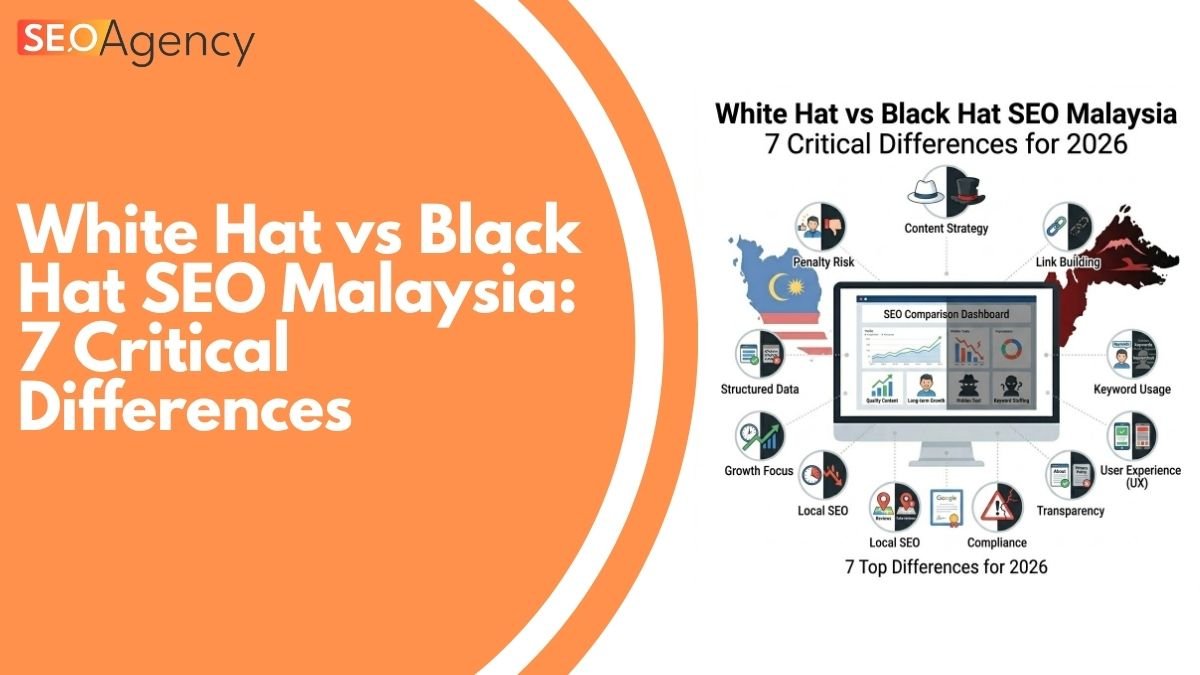
Essential SEO Outreach Tools for 2026
Building Long-Term Domain Authority in Smart Links
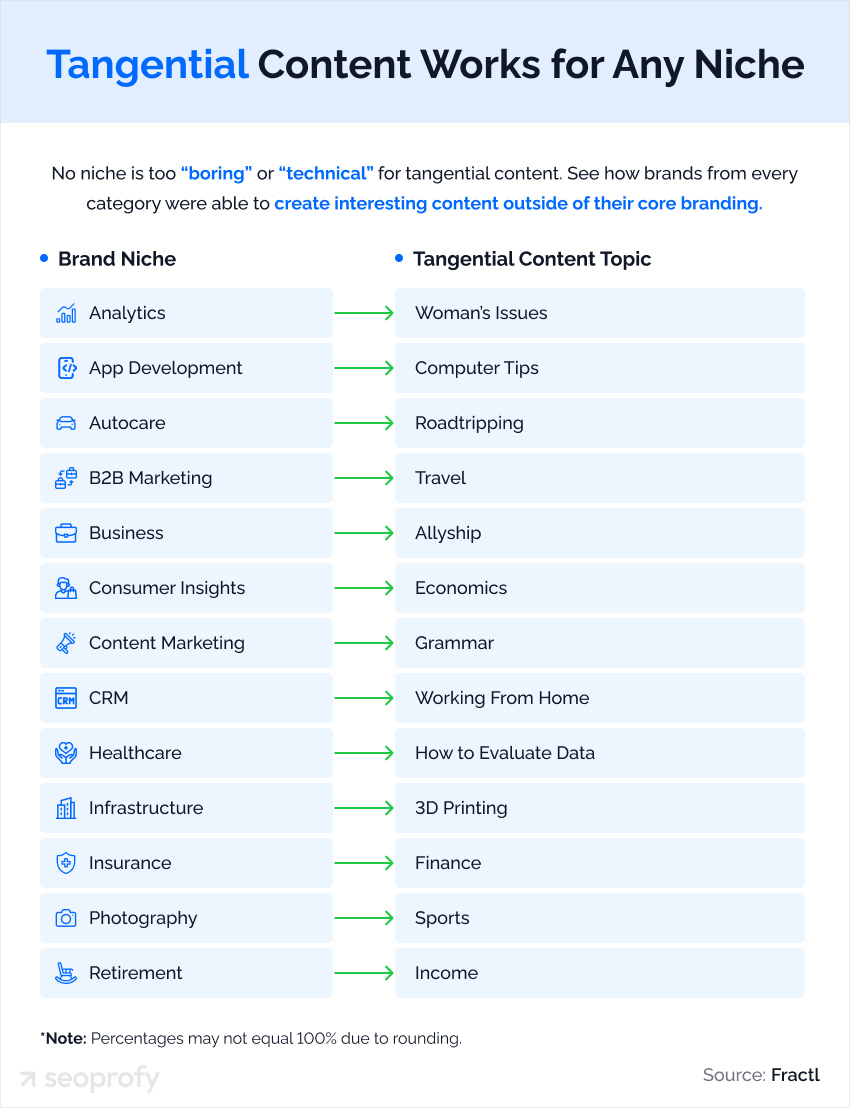
Expert Tactics for Earning High DA Backlinks
Latest Posts
Essential SEO Outreach Tools for 2026
Building Long-Term Domain Authority in Smart Links
Expert Tactics for Earning High DA Backlinks