All Categories
Featured
Building Long-Term Domain Authority in Smart Links

Essential Blogging Tips to Drive Targeted Traffic
Transforming PR Into SEO Success With Strategic Outreach
Table of Contents

Filtering in 2026 and the Go Back To Human Links
The search environment in 2026 has actually reached a saturation point where automated material and AI-generated interaction are the default. This shift has forced online search engine and website editors to develop incredibly delicate filters. These filters are designed to catch and dispose of anything that does not have a clear human touch. In this environment, the spray-and-pray techniques of previous years have ended up being more than simply inadequate-- they are actively disregarded by the systems that govern online exposure. Manual outreach has become the only trusted way to cut through this noise, standing as the primary method for protecting premium backlinks and brand discusses.
The core of this trend lies in the idea of confirmed human interaction. When an editor receives a pitch, they are no longer just looking for an appropriate subject. They are trying to find proof that a genuine person has investigated their site, comprehended their audience, and provided something of real worth. Automated tools, no matter how advanced their natural language processing became by early 2026, often miss the subtle cultural and topical nuances that a human expert identifies. Site owners who purchase Ranking Power find that their search presence remains stable in spite of frequent algorithm updates that target artificial activity.
Why Online Search Engine Focus On Manual Link Acquisition in 2026
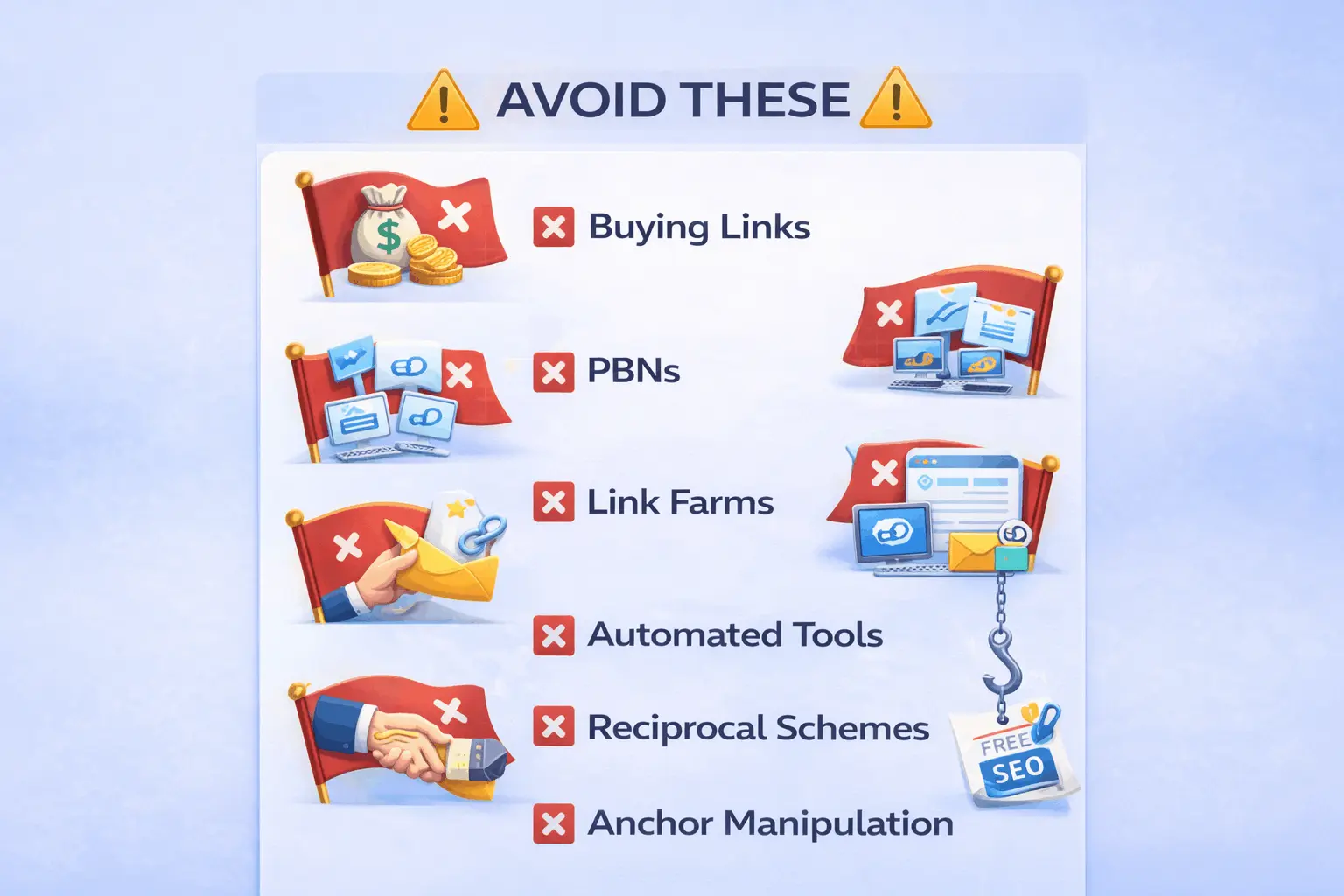
Browse algorithms have evolved to prioritize signals of genuine endorsement. In the past, a link was a vote of confidence. Today, search engines search for the "intent" behind that vote. They analyze whether a link was positioned because of a pre-existing relationship, a shared area of know-how, or a manual editorial choice. This level of examination makes automated link developing a high-risk activity. Manual outreach, by its nature, results in placements on sites that have strict editorial standards. These sites are less most likely to accept low-grade material, making the links coming from them far more valuable in the eyes of search spiders.
Present information suggests that High-Impact Niche Placement Strategies offers a layer of trustworthiness that automated tools can not duplicate. This is due to the fact that manual efforts focus on relevance over volume. Instead of sending five thousand generic e-mails, a specialist might send fifty highly tailored messages to industry leaders. The outcome is not just a link, however a positioning within a contextually appropriate discussion. This contextual relevance is a significant ranking aspect in 2026, as search engines move far from easy domain metrics and towards a more nuanced understanding of topical authority.
The Editor's Desk: Why Robots Can't Pitch Other Robotics
Editors at significant publications have invested the last couple of years being bombarded by AI-generated pitches. By 2026, the majority of have actually implemented sophisticated AI-detection software application on their inboxes. If a pitch reveals signs of being mass-produced, it is transferred to a spam folder before a human ever sees it. Manual outreach bypasses these digital gatekeepers by using particular recommendations that a maker would likely overlook. This might consist of mentioning a particular paragraph from a recent short article or linking a pitch to a present event that has actually not yet been processed into the training information of big language models.
The psychology of the recipient is just as important as the technology. Individuals wish to work with other individuals. When a marketing expert takes the time to engage with digital authority building through personal emails or direct calls, they are constructing a relationship. These relationships typically cause several chances gradually, such as guest appearances on podcasts, invitations to speak at virtual tops, or repeating mentions in monthly columns. A bot can not develop a relationship; it can only perform a deal. In the competitive market of 2026, transactions are cheap, but relationships are expensive and rare.
Structure Digital Moats with High-Authority Placements
One of the most substantial advantages of manual outreach is the ability to develop a "digital moat" around a brand name. A moat is a competitive advantage that is difficult for others to copy. If a company counts on automated link structure, their competitors can merely buy the very same tools and accomplish similar results. Nevertheless, if a company builds its authority through manual outreach and special editorial positionings, that success is much more difficult to duplicate. The search for Contextual Strategy in 2026 has actually led many marketing supervisors to abandon automated software application in favor of dedicated outreach teams who can protect these special positionings.
These manual positionings frequently appear in the form of deep-link combinations within long-form, expert-led content. Unlike the sidebar or footer links of the past, these are integrated into the story of the page. Online search engine in 2026 are especially skilled at acknowledging these "natural" positionings. They see them as signs that the connected website is a trusted resource within its specific niche. This trust is the currency of the modern-day web. Without it, even the most technically optimized site will have a hard time to maintain a leading position in the search results.
Future-Proofing Your Authority for the 2026 Browse Field
To prosper in the current year, services must view link building as an extension of their public relations and brand-building efforts. The difference in between SEO and standard PR has nearly totally disappeared. A successful campaign in 2026 needs a deep understanding of the target audience and a willingness to engage in the sluggish, methodical work of manual communication. This technique is not about finding shortcuts; it has to do with proving to both users and online search engine that a site deserves its place at the top.
Manual outreach likewise permits better control over brand messaging. When a human deals with the communication, they can ensure that the brand is presented in the right light which the surrounding content aligns with the business's values. This is almost difficult to control with automated systems, which frequently place links on sites that may be irrelevant and even detrimental to a brand's track record. By selecting manual link placement, organizations guarantee that every reference of their name contributes to a positive and authoritative online existence.
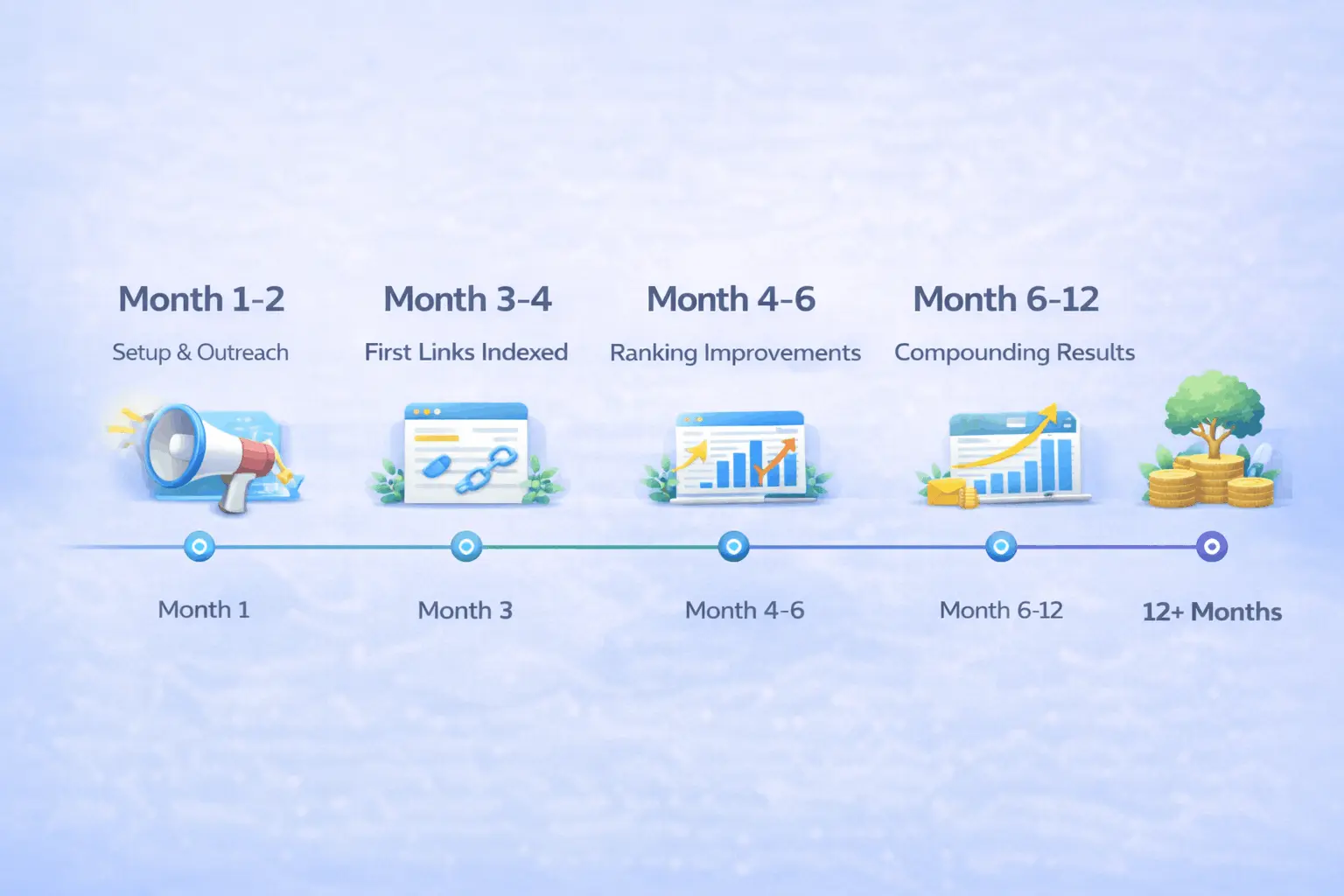
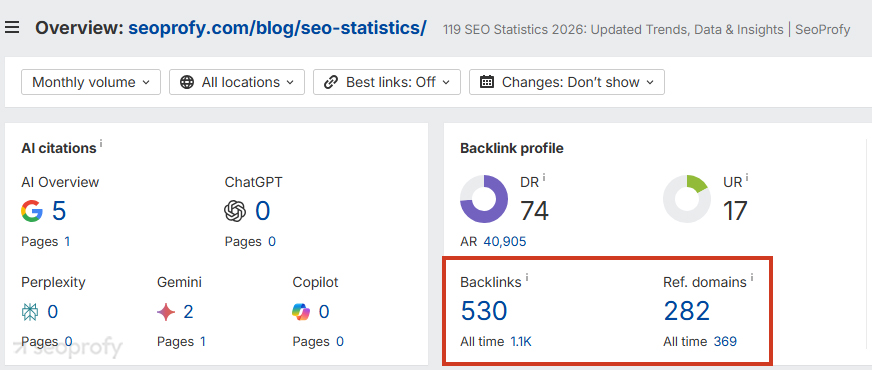
The shift towards manual methods is likewise a response to the "quality over quantity" required from search engines. In 2026, ten premium, manually positioned links on reliable sites deserve more than ten thousand low-quality, automated links. This truth has altered the economics of link building. The cost per link might be greater with manual outreach, but the return on investment is significantly higher because the outcomes are durable. Automated links frequently result in short-term spikes followed by sharp drops when the next algorithm upgrade recognizes the pattern of adjustment. Handbook links, nevertheless, tend to get value in time as the pages they live on accumulate their own authority and traffic.
The long-term value of manual outreach is clear. It is the only technique that aligns with the goals of search engines: to supply users with the most practical, human-verified information possible. As AI continues to flood the internet with mediocre content, the worth of human-vetted authority just increases. For those looking to secure their place in the 2026 search landscape, the path forward is not through more software, but through more human connection. This focus on the specific and the particular ensures that a brand remains pertinent, relied on, and noticeable in a significantly automated world.

Latest Posts
Essential SEO Outreach Tools for 2026
Building Long-Term Domain Authority in Smart Links
Expert Tactics for Earning High DA Backlinks